
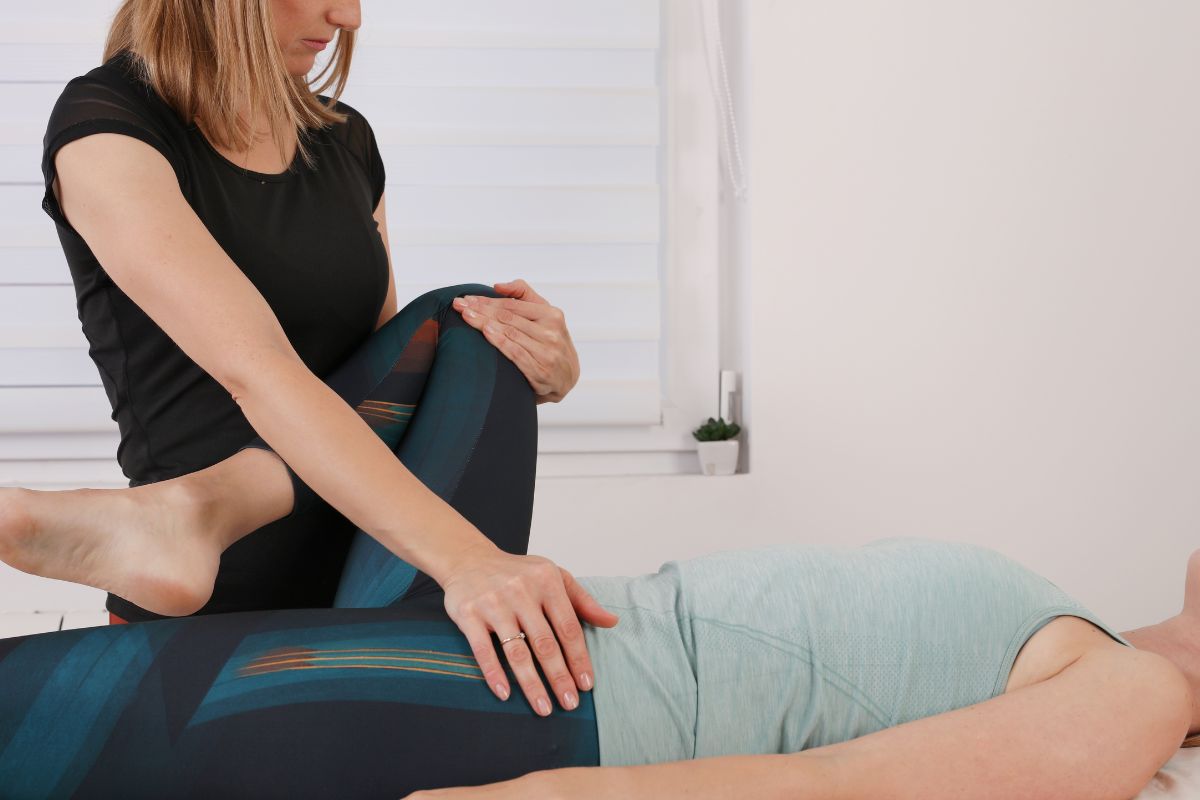
Pelvic floor weakness is far more common than many people realize, yet it often goes undiagnosed for years. Millions of adults silently struggle with symptoms like bladder leaks, pelvic pressure, lower back pain, constipation, and reduced quality of life without realizing these issues may be connected to weakened pelvic floor muscles.
Because many symptoms develop gradually, people often dismiss them as a normal part of aging, childbirth, weight gain, or stress. However, pelvic floor dysfunction is not something adults simply have to “live with.” With proper evaluation and treatment, many patients can significantly improve their symptoms and restore daily comfort and confidence.
At DuPage Metabolic and Pain Centers, patients receive personalized care focused on improving mobility, function, wellness, and quality of life. Understanding pelvic floor weakness early can help prevent worsening symptoms and long-term complications.
Understanding the Pelvic Floor
The pelvic floor is a group of muscles, ligaments, and connective tissues located at the bottom of the pelvis. These muscles support important organs including the:
- Bladder
- Rectum
- Small intestine
- Uterus (in women)
- Prostate (in men)
The pelvic floor also helps control:
- Urination
- Bowel movements
- Sexual function
- Core stability
- Posture
When these muscles become weak, overstretched, or uncoordinated, symptoms can begin affecting everyday life.
Why Pelvic Floor Weakness Happens
Pelvic floor weakness can affect both men and women of all ages. Multiple physical, hormonal, lifestyle, and medical factors may contribute to the condition over time. In many cases, symptoms develop gradually and worsen if the underlying causes are not addressed properly.
Pregnancy and Childbirth
Pregnancy places significant stress on the pelvic floor because the muscles must support the growing uterus, increased body weight, and hormonal changes. Vaginal delivery can overstretch or injure pelvic tissues, especially during prolonged labor, forceps delivery, large births, or multiple pregnancies. Some women notice symptoms immediately postpartum, while others develop pelvic floor dysfunction years later as muscles continue weakening with age and daily strain.
Aging
As the body ages, muscles naturally lose strength, elasticity, and endurance, including the muscles that support the pelvic organs. Hormonal changes during menopause may reduce collagen production and tissue support, making the pelvic floor more vulnerable to weakness. Aging may also reduce mobility, physical activity, and muscle coordination, all of which can contribute to bladder leakage, pelvic pressure, and reduced core stability over time.
Chronic Constipation
Repeated straining during bowel movements places excessive pressure on the pelvic floor muscles and connective tissues. Over time, this chronic stress may weaken the muscles responsible for bowel control and organ support. Individuals with poor dietary habits, low fiber intake, dehydration, digestive disorders, or sedentary lifestyles may experience worsening constipation that gradually contributes to pelvic floor dysfunction and discomfort.
Obesity and Excess Weight
Excess body weight increases constant downward pressure on the pelvic floor muscles throughout the day. This ongoing strain may weaken muscle support, reduce bladder control, and contribute to pelvic organ prolapse over time. Obesity is also associated with inflammation, reduced mobility, and poor core strength, which can further worsen pelvic dysfunction. Weight management programs may help decrease pressure on pelvic tissues and improve overall function.
Learn more about medical weight management services through the DuPage Metabolic and Pain Centers Services Page.
Heavy Lifting
Frequent heavy lifting at work, during exercise, or while performing daily activities can repeatedly increase abdominal pressure and strain the pelvic floor muscles. Improper lifting techniques may worsen the stress placed on supportive tissues and gradually contribute to weakness or injury. Individuals involved in construction, warehouse work, weightlifting, or physically demanding jobs may face higher risks if core and pelvic muscles are not properly conditioned.
Chronic Coughing
Persistent coughing caused by smoking, asthma, allergies, chronic bronchitis, or respiratory illness repeatedly increases pressure inside the abdomen and pelvis. Over time, this repetitive force may weaken pelvic support structures and contribute to urinary leakage or pelvic organ prolapse. Individuals with untreated respiratory conditions often place ongoing stress on pelvic muscles without realizing the cumulative effects chronic coughing can have on long-term pelvic health.
Surgery or Trauma
Pelvic surgery, prostate surgery, spinal injuries, childbirth trauma, or accidents involving the lower back and pelvis may damage muscles, connective tissues, or nerves involved in pelvic floor function. Scar tissue, nerve disruption, and reduced muscle coordination can contribute to bladder problems, bowel dysfunction, pelvic pain, or sexual health issues. Recovery often requires rehabilitation, strengthening exercises, and targeted therapy to restore proper pelvic support and mobility.
High-Impact Exercise
Exercises involving repetitive jumping, intense abdominal pressure, or high-impact movements may place significant stress on pelvic floor muscles over time. Activities such as running, gymnastics, CrossFit, or heavy resistance training can contribute to strain if the pelvic floor lacks adequate strength and coordination. Without proper breathing mechanics, posture, and muscle support, repeated impact may increase the risk of leakage, discomfort, and pelvic instability.
Symptoms Many Adults Ignore
Pelvic floor weakness symptoms are often subtle in the beginning. Many adults feel embarrassed discussing these concerns, which delays diagnosis and treatment.
Below are some of the most commonly ignored warning signs.
Urinary Leakage
One of the earliest and most common symptoms is urinary incontinence.
This may include:
- Leaking urine while coughing
- Dribbling during exercise
- Accidental leakage when laughing or sneezing
- Sudden strong urges to urinate
- Frequent nighttime urination
Many people mistakenly believe bladder leakage is a “normal” part of aging, but persistent symptoms should be evaluated.
According to the Mayo Clinic’s guide on pelvic floor disorders, pelvic floor dysfunction can significantly affect bladder and bowel control when left untreated.
Feeling of Pelvic Pressure
Patients sometimes describe:
- A heaviness in the pelvis
- A dragging sensation
- Pressure worsening throughout the day
- Feeling like something is “falling”
These symptoms may indicate pelvic organ prolapse, where organs shift downward because the pelvic floor no longer provides adequate support.
Lower Back Pain
Pelvic floor dysfunction may contribute to chronic lower back pain because pelvic muscles help stabilize the spine and core.
Weakness in this area can alter posture, movement patterns, and spinal support.
Constipation and Bowel Problems
Pelvic floor weakness may interfere with normal bowel movements.
Symptoms can include:
- Chronic constipation
- Difficulty emptying bowels
- Straining during bowel movements
- Feeling incomplete evacuation
Some individuals develop pelvic floor dyssynergia, where muscles fail to coordinate properly during bowel movements.
Pain During Intimacy
Pelvic floor dysfunction can contribute to discomfort during intercourse for both men and women.
Muscle weakness, tension, or nerve irritation may affect:
- Sensation
- Blood flow
- Muscle coordination
- Sexual function
Many adults avoid discussing these symptoms despite their major impact on emotional health and relationships.
Frequent Urination
Needing to urinate frequently throughout the day or night may signal poor pelvic floor support or bladder dysfunction.
Some individuals constantly search for nearby bathrooms because they fear leakage or urgency.
Hip and Pelvic Pain
Weak pelvic floor muscles may contribute to:
- Hip discomfort
- Groin pain
- Tailbone pain
- Pelvic instability
Because symptoms often overlap with orthopedic issues, pelvic floor dysfunction is sometimes overlooked during evaluations.
Difficulty Controlling Gas
Loss of bowel or gas control can occur when pelvic muscles weaken significantly.
This symptom is particularly distressing and may cause individuals to avoid social situations.
Core Weakness
The pelvic floor works closely with abdominal and back muscles to stabilize the body.
Weakness may lead to:
- Poor posture
- Reduced balance
- Difficulty exercising
- Abdominal instability
Emotional and Psychological Effects
Pelvic floor weakness does not only affect physical health.
Many adults experience:
- Anxiety
- Embarrassment
- Social withdrawal
- Reduced self-confidence
- Sleep disruption
- Depression symptoms
Fear of accidents or discomfort can limit travel, exercise, intimacy, and social participation.
Pelvic Floor Weakness in Women
Women are especially vulnerable due to pregnancy, childbirth, and menopause.
Common female symptoms include:
- Stress incontinence
- Pelvic organ prolapse
- Vaginal heaviness
- Pain during intercourse
- Postpartum weakness
Hormonal changes after menopause may reduce collagen and muscle elasticity, increasing risk further.
Pelvic Floor Weakness in Men
Men also experience pelvic floor dysfunction, though it receives less public attention.
Potential causes include:
- Prostate surgery
- Chronic straining
- Heavy lifting
- Obesity
- Nerve damage
Symptoms may include:
- Urinary leakage
- Erectile dysfunction
- Pelvic pain
- Constipation
- Post-void dribbling
How Obesity Affects Pelvic Floor Health
Excess body weight creates constant pressure on pelvic tissues.
Research suggests obesity increases risk for:
- Stress incontinence
- Overactive bladder
- Pelvic organ prolapse
- Reduced mobility
- Chronic inflammation
Weight reduction may help reduce strain on the pelvic floor and improve symptoms over time.
Explore wellness solutions through the DuPage Metabolic and Pain Centers Blog.
The Connection Between Core Strength and Pelvic Floor Health
The pelvic floor works together with:
- Deep abdominal muscles
- Diaphragm
- Lower back muscles
This system helps maintain:
- Balance
- Posture
- Stability
- Proper breathing mechanics
Weakness in one area often affects the entire core system.
When Symptoms Become Severe
Untreated pelvic floor dysfunction may worsen over time.
Complications can include:
- Complete bladder control loss
- Organ prolapse progression
- Chronic pelvic pain
- Severe constipation
- Sexual dysfunction
- Reduced mobility
Early intervention can help prevent worsening symptoms.
Diagnosing Pelvic Floor Weakness
Evaluation may include:
- Medical history review
- Physical examination
- Pelvic examination
- Muscle strength testing
- Imaging studies
- Bladder testing
- Posture and movement assessments
Proper diagnosis helps identify contributing factors and appropriate treatment options.
Treatment Options for Pelvic Floor Weakness
Treatment depends on symptom severity and underlying causes.
Pelvic Floor Physical Therapy
Specialized physical therapy may help strengthen muscles, improve coordination, and restore function.
Therapy may include:
- Guided exercises
- Biofeedback
- Manual therapy
- Postural training
- Breathing exercises
Lifestyle Modifications
Patients may benefit from:
- Weight management
- Smoking cessation
- Reducing heavy lifting
- Improving bowel habits
- Proper hydration
- Managing chronic coughing
Strengthening Exercises
Pelvic floor exercises may improve support and bladder control when performed correctly.
The most recognized exercise is:
Kegel Exercises
Repeated pelvic floor contractions held for 3–5 seconds
Kegel exercises involve repeatedly tightening and relaxing pelvic muscles to improve strength and endurance.
However, many individuals perform them incorrectly without professional guidance.
Weight Loss Support
Reducing excess abdominal pressure may improve pelvic floor symptoms and mobility.
Medical weight management programs may support:
- Fat reduction
- Reduced inflammation
- Better mobility
- Improved bladder control
- Increased exercise tolerance
Nutritional Support
Dietary improvements may help reduce constipation and inflammation.
Helpful nutritional strategies include:
- Increased fiber intake
- Adequate hydration
- Reduced processed foods
- Balanced protein intake
- Anti-inflammatory foods
Pain Management Approaches
Chronic pelvic discomfort may require multidisciplinary care including:
- Physical rehabilitation
- Soft tissue therapy
- Exercise programs
- Postural correction
- Functional movement training
Importance of Early Intervention
Many patients wait years before seeking treatment because symptoms feel embarrassing or seem “minor.”
Early evaluation can help:
- Prevent progression
- Improve quality of life
- Restore function
- Reduce discomfort
- Avoid complications
Ignoring symptoms may allow dysfunction to worsen gradually.
Preventing Pelvic Floor Weakness
Preventive strategies may include:
- Maintaining healthy body weight
- Avoiding chronic straining
- Staying physically active
- Managing constipation
- Using proper lifting techniques
- Strengthening core muscles
- Practicing pelvic floor exercises properly
Pelvic Floor Health After Childbirth
Postpartum recovery is critical for long-term pelvic health.
Women may benefit from:
- Guided rehabilitation
- Safe exercise progression
- Core strengthening
- Postural correction
- Scar tissue management
Recovery support may reduce future complications years later.
The Role of Posture and Breathing
Poor posture and shallow breathing can increase pressure on pelvic structures.
Proper breathing mechanics help coordinate:
- Core muscles
- Diaphragm
- Pelvic floor function
Postural correction often plays an important role in rehabilitation.
Frequently Asked Questions (FAQs)
Is pelvic floor weakness common?
Yes. Pelvic floor dysfunction affects millions of adults, though many cases go undiagnosed because symptoms are often ignored or considered embarrassing.
Can men develop pelvic floor weakness?
Absolutely. Men may experience pelvic floor dysfunction due to aging, obesity, prostate surgery, heavy lifting, or chronic straining.
Are bladder leaks normal with aging?
Bladder leakage becomes more common with age, but it should not simply be accepted as “normal.” Evaluation may identify treatable causes.
Can weight loss improve pelvic floor symptoms?
In many cases, reducing excess body weight may decrease abdominal pressure and improve bladder control, mobility, and pelvic support.
What happens if pelvic floor weakness is untreated?
Symptoms may gradually worsen over time and could lead to chronic pain, prolapse, severe incontinence, and reduced quality of life.
Are Kegel exercises enough?
Not always. Some individuals require physical therapy, posture correction, lifestyle changes, or additional rehabilitation strategies for effective improvement.
Can pelvic floor dysfunction cause back pain?
Yes. Because the pelvic floor contributes to core stability, dysfunction may affect posture and spinal support, contributing to lower back pain.
How long does recovery take?
Recovery timelines vary depending on severity, consistency with treatment, and contributing health factors.
Conclusion
Pelvic floor weakness is an extremely common yet often overlooked condition affecting adults of all ages. Symptoms like urinary leakage, pelvic pressure, constipation, back pain, and intimacy discomfort are frequently dismissed or hidden out of embarrassment.
However, these symptoms may signal underlying dysfunction that deserves attention and proper care.
Early intervention, lifestyle changes, rehabilitation, weight management, and professional evaluation can help improve function and restore confidence and quality of life.
Understanding the warning signs is the first step toward better pelvic health and long-term wellness.
If pelvic discomfort, bladder issues, mobility limitations, or weight-related health concerns are affecting your daily life, professional support may help you regain comfort and confidence.
DuPage Metabolic and Pain Centers
📍 Visit us at:
1910 S Highland Ave, Suite 103
Lombard, IL 60148
📞 Call: (630) 777-9167
🌐 Book NOW at:
rapidweightlosschicago.com