
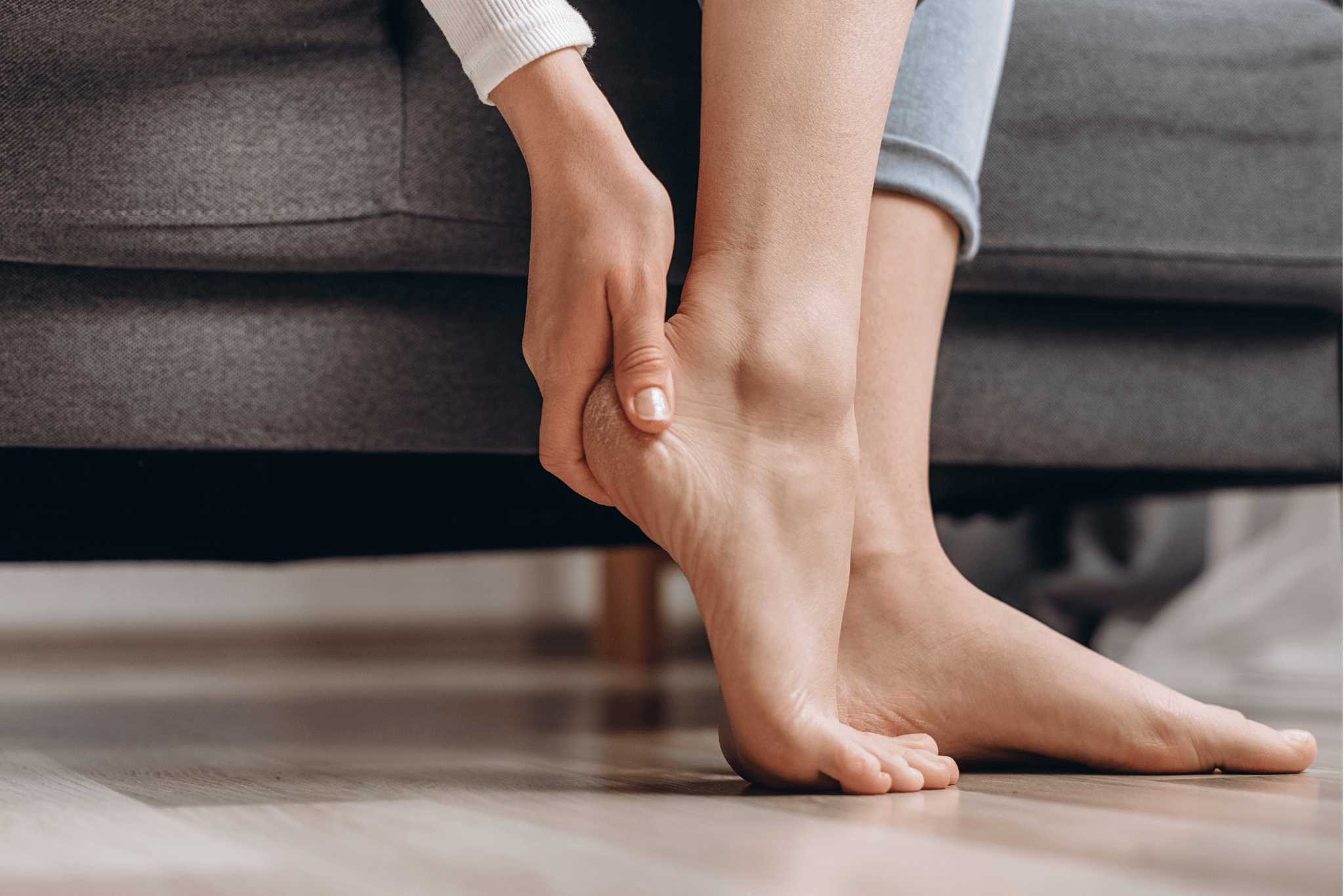
Waking up and taking your first few steps only to feel a sharp, stabbing pain in your heel can be frustrating and alarming. For many people, heel pain is at its worst first thing in the morning. The discomfort may lessen as the day goes on, only to return after long periods of sitting or resting. If this sounds familiar, you are not alone.
Morning heel pain is one of the most common foot complaints affecting adults of all ages. It can interfere with work, exercise, sleep, and overall quality of life. Understanding why heel pain becomes more intense after sleeping or resting is the first step toward finding lasting relief.
At DuPage Metabolic and Pain Centers, patients receive comprehensive care designed to address the root causes of chronic pain conditions, including persistent heel pain. This article explores why heel pain worsens in the morning, the medical conditions behind it, risk factors, treatment options, prevention strategies, and when to seek professional help.
Understanding Heel Pain
Heel pain refers to discomfort felt underneath, behind, or around the heel bone. The heel is one of the most heavily used structures in the body because it absorbs impact every time you walk, run, jump, or stand.
The heel contains:
- Bones
- Muscles
- Tendons
- Ligaments
- Fascia
- Nerves
- Blood vessels
When any of these structures become irritated or inflamed, pain can develop.
The most common cause of morning heel pain is plantar fasciitis, but several other conditions may also contribute.
Why Heel Pain Is Worse in the Morning
Many patients wonder why their heel hurts most after resting rather than after activity. The answer lies in how tissues heal and tighten during periods of inactivity.
While you sleep:
- The foot naturally relaxes into a pointed position
- The plantar fascia shortens slightly
- Muscles and tendons stiffen
- Inflammation accumulates
- Blood circulation slows compared to active movement
When you take your first steps in the morning, these tight tissues suddenly stretch and pull against inflamed areas, causing intense pain.
After walking for several minutes:
- Blood flow increases
- Tissues warm up
- Muscles loosen
- The fascia stretches gradually
As a result, pain often improves temporarily throughout the day.
However, the underlying inflammation remains untreated, so symptoms continue returning.
The Role of the Plantar Fascia
The plantar fascia is a thick band of connective tissue running along the bottom of the foot from the heel bone to the toes.
Its job is to:
- Support the arch
- Absorb shock
- Stabilize the foot during movement
- Help distribute body weight evenly
When this tissue becomes inflamed or develops tiny tears, the condition is known as plantar fasciitis.
This is the leading reason for morning heel pain.
What Is Plantar Fasciitis?
Plantar fasciitis occurs when repeated stress causes irritation and inflammation in the plantar fascia.
The pain is usually:
- Sharp
- Stabbing
- Localized near the bottom of the heel
- Worse with the first steps after rest
- More noticeable after prolonged standing
Many people describe the sensation as stepping on a nail or sharp rock when they first get out of bed.
Why Rest Can Actually Increase Pain
This may seem confusing because rest usually helps injuries heal. However, with plantar fasciitis and similar conditions, resting allows the tissue to tighten.
During sleep:
- The plantar fascia contracts
- The Achilles tendon tightens
- Foot mobility decreases temporarily
The sudden stretching that occurs when standing creates micro-tears again, restarting the pain cycle every morning.
Other Conditions That Cause Morning Heel Pain
Although plantar fasciitis is the most common culprit, other conditions can also cause severe morning heel discomfort.
Achilles Tendinitis
The Achilles tendon connects the calf muscles to the heel bone. Inflammation of this tendon may cause:
- Pain behind the heel
- Morning stiffness
- Swelling
- Tenderness during walking
The tendon tightens overnight, leading to painful movement in the morning.
Heel Spurs
Heel spurs are calcium deposits that form on the underside of the heel bone.
Many people with heel spurs also have plantar fasciitis. Spurs themselves may not always hurt, but surrounding inflammation can cause:
- Morning pain
- Tenderness
- Difficulty walking barefoot
Bursitis
Bursae are small fluid-filled sacs that cushion joints and tendons.
Heel bursitis develops when these sacs become inflamed due to pressure or overuse.
Symptoms may include:
- Swelling
- Warmth
- Pain after rest
- Tenderness around the heel
Tarsal Tunnel Syndrome
This condition occurs when nerves in the foot become compressed.
Symptoms can include:
- Burning pain
- Tingling
- Numbness
- Heel discomfort that worsens after inactivity
Stress Fractures
Tiny cracks in the heel bone can cause persistent pain.
Athletes and people with osteoporosis are at higher risk.
Pain often worsens:
- In the morning
- During weight-bearing activity
- After exercise
Common Risk Factors for Heel Pain
Several factors increase the likelihood of developing chronic heel pain.
Obesity or Excess Weight
Extra body weight places increased stress on the plantar fascia and heel structures.
Even small increases in weight can significantly impact foot pressure.
Standing for Long Periods
Jobs requiring prolonged standing place repeated stress on the heels.
Common high-risk occupations include:
- Nurses
- Teachers
- Retail workers
- Factory employees
- Restaurant staff
Improper Footwear
Shoes lacking arch support or cushioning contribute heavily to heel pain.
High-risk footwear includes:
- Flip-flops
- Worn-out sneakers
- Flat shoes
- Unsupportive sandals
- Barefoot walking on hard floors
Tight Calf Muscles
Tight calves limit ankle flexibility and increase strain on the plantar fascia.
This commonly occurs in:
- Runners
- Cyclists
- Sedentary individuals
- Older adults
Flat Feet or High Arches
Abnormal foot mechanics change how weight distributes across the foot.
This can overstress the heel and fascia.
Aging
As people age:
- Fat pads beneath the heel thin out
- Tendons lose flexibility
- Tissue recovery slows
This increases susceptibility to chronic inflammation.
Symptoms Associated With Morning Heel Pain
Common symptoms include:
- Sharp pain during first steps
- Heel tenderness
- Foot stiffness
- Burning sensations
- Pain after sitting
- Arch discomfort
- Limping upon waking
- Increased pain after exercise
Some patients notice improvement after walking for several minutes.
How Heel Pain Affects Daily Life
Chronic heel pain can interfere with many aspects of everyday living.
Reduced Physical Activity
Pain discourages exercise and movement, leading to:
- Weight gain
- Muscle weakness
- Reduced cardiovascular health
Sleep Disturbances
Persistent discomfort may interfere with restful sleep.
Mood Changes
Chronic pain is strongly associated with:
- Irritability
- Anxiety
- Depression
- Reduced quality of life
Work Limitations
Standing and walking may become difficult, affecting job performance.
Diagnosing the Cause of Heel Pain
A medical evaluation is important when heel pain persists for weeks or worsens over time.
Healthcare providers typically assess:
- Symptom history
- Walking patterns
- Foot structure
- Range of motion
- Tenderness points
Diagnostic tests may include:
- X-rays
- Ultrasound imaging
- MRI scans
- Nerve studies
Proper diagnosis ensures effective treatment.
Conservative Treatments for Morning Heel Pain
Most cases improve with non-surgical treatment.
Stretching Exercises
Stretching helps loosen tight tissues before standing.
Helpful stretches include:
- Calf stretches
- Plantar fascia stretches
- Toe flexion exercises
- Achilles tendon stretches
Morning stretching before getting out of bed can significantly reduce pain.
Ice Therapy
Applying ice for 15–20 minutes reduces inflammation.
Rolling the foot over a frozen water bottle may provide additional relief.
Supportive Footwear
Shoes should provide:
- Arch support
- Cushioning
- Heel stability
- Shock absorption
Avoid walking barefoot on hard surfaces.
Orthotic Inserts
Custom or over-the-counter inserts help distribute pressure more evenly.
Orthotics can reduce stress on the plantar fascia.
Night Splints
Night splints keep the foot in a stretched position during sleep.
This prevents excessive tightening overnight.
Many patients experience major improvement after consistent use.
Physical Therapy
Therapy may include:
- Stretching programs
- Manual therapy
- Strengthening exercises
- Gait correction
- Mobility work
Anti-Inflammatory Medications
Over-the-counter medications may temporarily reduce pain and inflammation.
Examples include:
- Ibuprofen
- Naproxen
Patients should consult healthcare professionals before long-term use.
Advanced Treatment Options
When conservative treatments fail, advanced therapies may be recommended.
Corticosteroid Injections
These injections reduce inflammation quickly but are typically used cautiously.
Repeated injections may weaken tissues over time.
Shockwave Therapy
Extracorporeal shockwave therapy stimulates healing in chronic plantar fasciitis cases.
This non-invasive treatment may help patients avoid surgery.
Regenerative Medicine
Some clinics offer regenerative therapies designed to support tissue healing.
These approaches may include:
- Platelet-rich plasma (PRP)
- Cellular therapies
Laser Therapy
Therapeutic laser treatment may reduce inflammation and improve circulation.
Surgical Intervention
Surgery is usually considered only after many months of unsuccessful conservative treatment.
Procedures may involve:
- Releasing part of the plantar fascia
- Removing heel spurs
- Repairing damaged tissue
Preventing Morning Heel Pain
Preventive strategies can dramatically reduce flare-ups.
Maintain a Healthy Weight
Reducing excess weight lowers pressure on the heels.
Stretch Daily
Regular stretching improves flexibility and reduces tissue tightness.
Wear Proper Shoes
Supportive shoes should be worn both indoors and outdoors.
Replace Worn-Out Footwear
Old shoes lose cushioning and support over time.
Avoid Sudden Activity Increases
Gradually increase exercise intensity to prevent overuse injuries.
Strengthen Foot Muscles
Exercises targeting foot and ankle stability improve biomechanics.
Exercises That May Help
Towel Stretch
- Sit with legs extended
- Wrap a towel around the foot
- Pull gently toward the body
- Hold for 30 seconds
Repeat several times.
Calf Stretch
- Stand facing a wall
- Place one foot behind the other
- Lean forward while keeping the back heel on the ground
Hold for 30 seconds.
Toe Curls
Use your toes to scrunch a towel placed on the floor.
This strengthens foot muscles.
Rolling Massage
Roll the foot over:
- A tennis ball
- Massage ball
- Frozen bottle
This loosens fascia tension.
When to See a Healthcare Provider
Seek professional evaluation if:
- Pain lasts longer than several weeks
- Walking becomes difficult
- Swelling increases
- Numbness develops
- Symptoms worsen despite home care
- Pain interferes with work or sleep
Early intervention can prevent chronic complications.
The Importance of Comprehensive Pain Management
Heel pain is often connected to broader health and lifestyle factors.
Comprehensive care may address:
- Weight management
- Inflammation
- Biomechanics
- Mobility
- Chronic pain patterns
- Physical conditioning
Treating only the symptoms without addressing root causes may lead to recurring pain.
How Lifestyle Factors Influence Heel Pain
Sedentary Habits
Long periods of inactivity contribute to stiffness and reduced circulation.
Inflammatory Diets
Highly processed foods may worsen inflammation throughout the body.
Poor Sleep
Sleep deprivation impairs tissue healing and pain tolerance.
Stress
Chronic stress can amplify pain perception.
The Connection Between Weight and Foot Pain
Every additional pound of body weight places several pounds of added force on the feet during walking.
This means excess weight significantly increases:
- Fascia strain
- Joint pressure
- Inflammation
- Risk of chronic pain
Weight management may play a major role in reducing recurring heel pain.
Frequently Asked Questions (FAQs)
Why is heel pain worse after sleeping?
Heel pain worsens after sleeping because tissues tighten overnight. When you first stand up, the sudden stretching of inflamed tissue causes sharp pain.
Is plantar fasciitis permanent?
No. Most cases improve with proper treatment, stretching, supportive footwear, and lifestyle adjustments.
How long does heel pain usually last?
Mild cases may improve within weeks, while chronic cases can last several months if untreated.
Should I walk through heel pain?
Gentle movement may help stiffness, but pushing through severe pain can worsen inflammation. Proper evaluation is recommended.
Can weight loss help heel pain?
Yes. Reducing excess weight decreases pressure on the feet and may significantly improve symptoms.
Are heel spurs always painful?
No. Many heel spurs cause no symptoms. Pain often comes from surrounding tissue inflammation.
Can I exercise with plantar fasciitis?
Low-impact activities such as swimming or cycling may be safer than high-impact exercises like running.
What shoes are best for heel pain?
Shoes with strong arch support, cushioning, and stability are generally best.
Does barefoot walking worsen heel pain?
For many patients, yes. Hard surfaces without support increase strain on the plantar fascia.
When should I seek professional treatment?
Seek medical care if pain persists, worsens, limits mobility, or interferes with daily activities.
Conclusion
Morning heel pain is more than just an inconvenience. It is often a sign of underlying inflammation, tissue strain, or biomechanical stress that requires proper attention. Conditions like plantar fasciitis, Achilles tendinitis, bursitis, and heel spurs commonly worsen after periods of rest because tissues tighten overnight and become painful when suddenly stretched.
The good news is that most cases respond well to early treatment, supportive footwear, stretching, lifestyle modifications, and professional care. Ignoring symptoms may allow inflammation and tissue damage to worsen over time.
Understanding the root causes of heel pain is essential for achieving long-term relief and preventing recurring discomfort.
If persistent heel pain is affecting your ability to walk comfortably, exercise, work, or enjoy daily life, professional treatment may help you regain mobility and comfort.
DuPage Metabolic and Pain Centers provides comprehensive care focused on pain relief, wellness, and improved quality of life.
📍 Visit us at: 1910 S Highland Ave, Suite 103 Lombard, IL 60148
📞 Call: (630) 777-9167
🌐 Book NOW at rapidweightlosschicago.com